
Biomechanics vs. Physical Therapy: What’s the Difference?
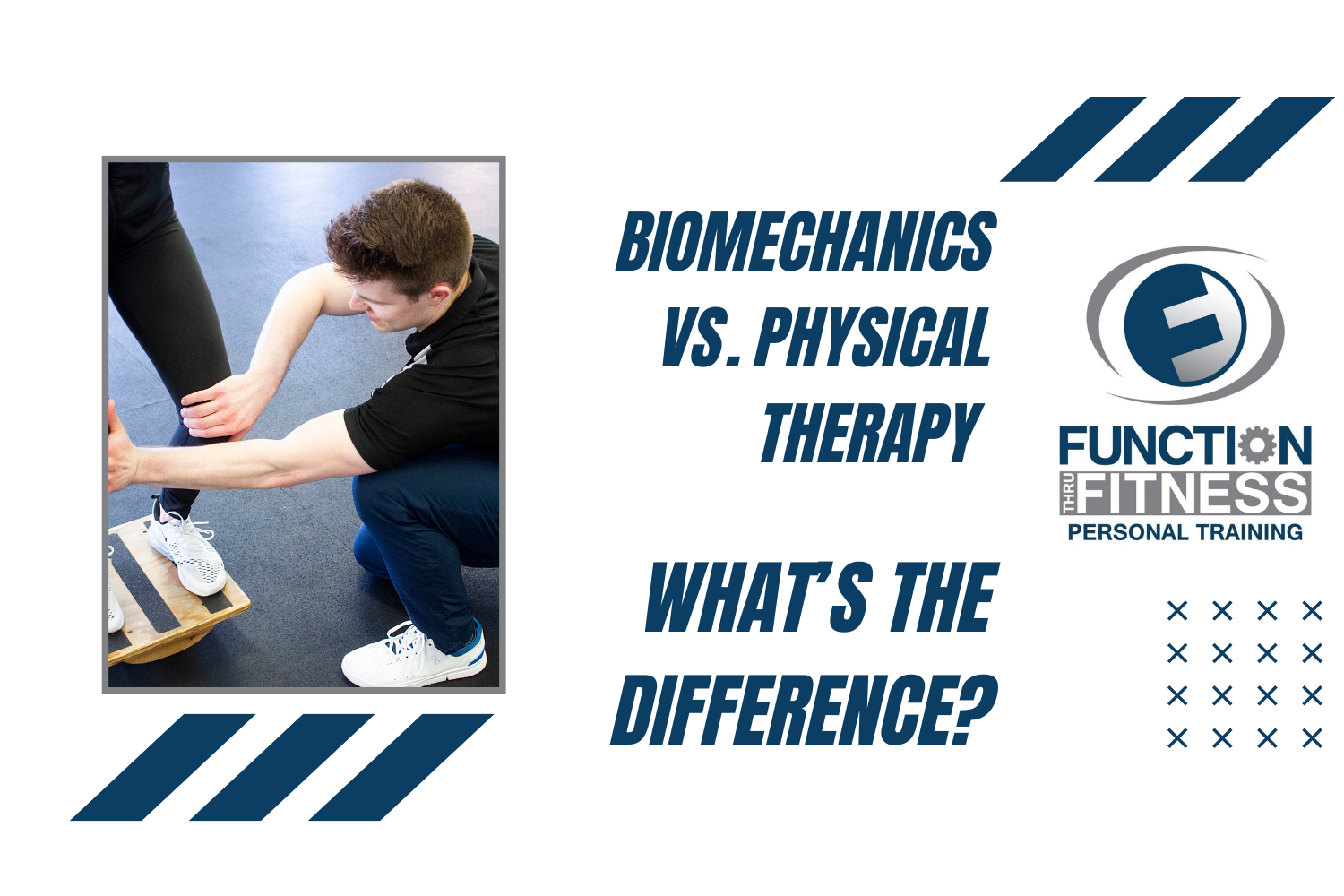
Biomechanics versus physical therapy, they approach movement and recovery in very different ways. Understanding the difference can help individuals make better decisions about their care, especially when dealing with pain or limited mobility.
Assessment Is the Key Difference
Biomechanics begins with a detailed assessment of baseline range of motion and movement patterns. This assessment provides a clear starting point for understanding how the body functions before any intervention is applied.
A biomechanics specialist focuses on evaluating how movement mechanics change in response to different exercises or strategies. If an intervention improves movement, it is reinforced. If it limits range of motion, it is removed. Both outcomes offer valuable insight.
Range of Motion vs. Real-Life Movement
Traditional physical therapy often aims to reach predetermined range-of-motion benchmarks. While these standards can be useful, they don’t always reflect real-life demands.
Daily activities require different and often greater ranges of motion, especially at the shoulder, hip, and knee. Biomechanics principles account for these demands by evaluating how the body moves during functional tasks.
Why Biomechanics Matters
Biomechanics of movement focuses on how forces, joints, and muscles interact during everyday life. This approach helps identify compensation patterns that may contribute to pain even after traditional benchmarks are met.
Working With a Biomechanics Expert
John Blaser, NASM-CPT, NASM-CES, NASM-FNS, CBS, is the only Certified Biomechanics Specialist in Green Bay. His work emphasizes movement analysis, corrective exercise, and individualized strategies based on biomechanics principles.
Understanding the difference between biomechanics and physical therapy helps clarify why assessment-driven movement analysis leads to more effective, long-term results.
If pain keeps returning and you’ve never been shown why, biomechanics may be the missing piece.
Book now with John – www.ftfpt.com/john
Watch the Full Video
FAQ – Biomechanics vs Physical Therapy
Q: What is a biomechanics specialist?
A: A biomechanics specialist focuses on analyzing movement mechanics and range of motion to guide corrective strategies based on how the body actually moves.
Q: How is biomechanics different from physical therapy?
A: Biomechanics emphasizes assessment, movement quality, and real-life demands rather than clearing patients based on preset range-of-motion benchmarks.
Looking for a better way to stay strong, mobile, and pain-free as you age?
At Function Thru Fitness, we go beyond big-box gyms. As one of the established fitness centers green bay wi, our focus is on restoring how the body moves, reducing pain, and building long-term strength through a proven function fitness approach.
We help people move better at every stage of life through personalized training, corrective exercise, golf fitness, neuromuscular therapy, and athlete recovery.
Download our free guide:
Essential Exercises for Lifelong Mobility and Independence
www.ftfpt.com/essential-exercises
Visit us at 801 Hoffman Rd. Suite 103, Green Bay, WI
Book online at www.ftfpt.com