
What Is Protein? Benefits and Good Dietary Sources Explained
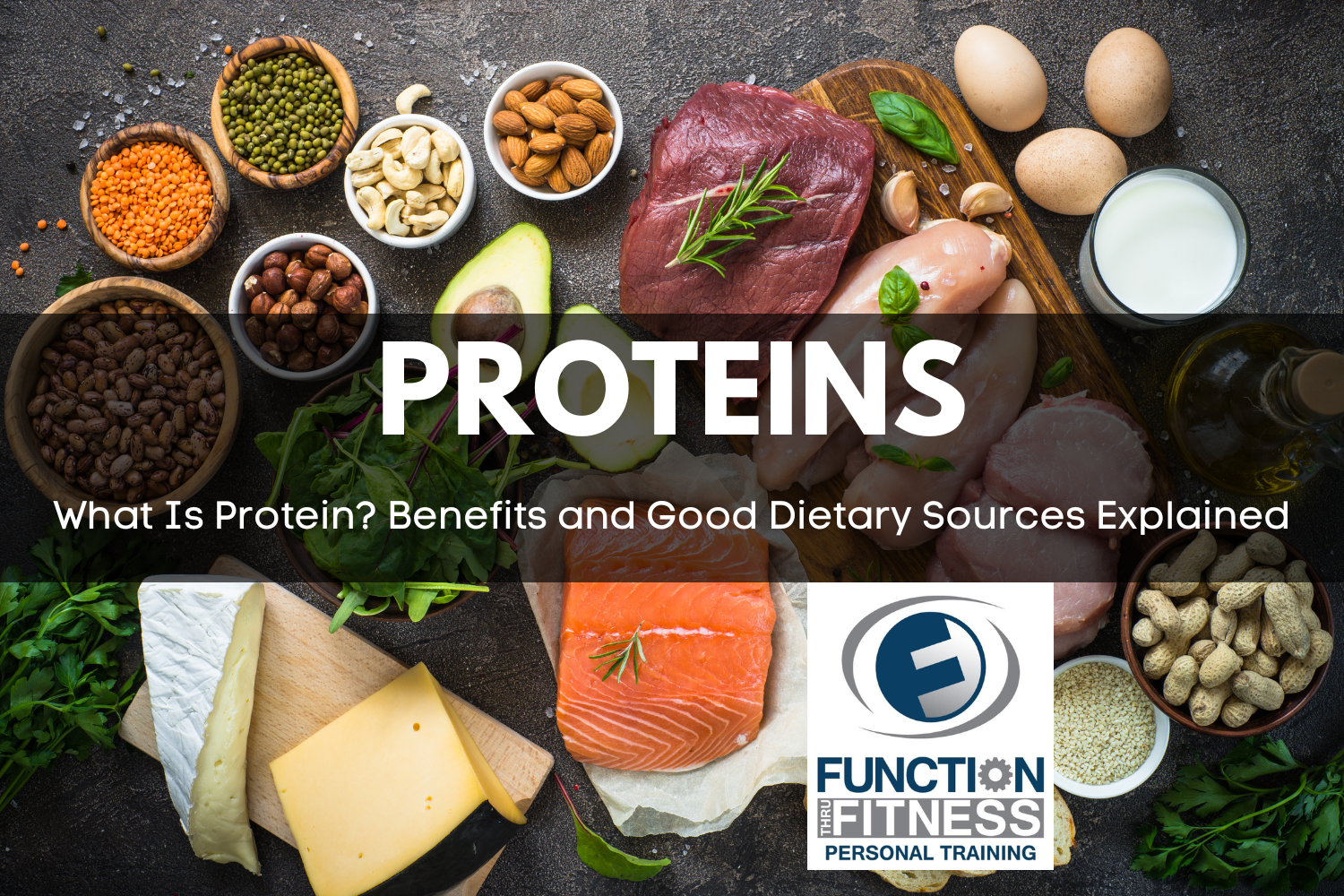
When people hear the word protein, they often think only about muscle building. But protein plays a much larger role in your overall health — supporting everything from tissue repair to everyday movement and recovery.
At Function Thru Fitness in Green Bay, WI, nutrition education is a key part of helping clients move better, feel stronger, and support long-term health. Understanding what protein is and where to get it from can make a meaningful difference in how your body functions day to day.
What Is Protein?
Protein is one of the three macronutrients your body needs, along with carbohydrates and fats. It is made up of amino acids, which are often described as the building blocks of the body.
Protein is essential for:
Building and repairing muscle tissue
Supporting bone, skin, cartilage, and blood health
Helping the body recover after physical activity
Maintaining overall cellular structure and function
Every cell in your body contains protein. Without adequate protein intake, your body may struggle to repair tissue, maintain strength, or recover efficiently.
How Protein Supports the Body
Protein plays a role far beyond the gym. While it is well known for muscle support, it also contributes to:
Tissue repair after daily activity or exercise
Immune system support
Hormone and enzyme production
Maintaining lean body mass as we age
For active adults, athletes, and individuals managing pain or recovery, protein intake becomes even more important. Adequate protein helps support strength, mobility, and resilience over time.
Understanding Protein on Nutrition Labels
When reading a nutrition label, protein is listed in grams. Each gram of protein provides four calories.
While calorie content matters, quality and consistency of protein intake are equally important. Many people focus on calories without considering whether they are consuming enough protein to support their activity level and recovery needs.
A nutrition coach can help interpret labels and ensure protein intake aligns with your goals.
Animal-Based Dietary Sources of Protein
Animal-based protein sources are considered complete proteins, meaning they contain all essential amino acids.
Common animal-based protein sources include:
Lean meats such as chicken, turkey, beef, and pork
Fish and shellfish
Eggs
Dairy products like yogurt, milk, and cheese
When possible, choosing lean or lower-fat options can help support overall health while still providing adequate protein.
Plant-Based Dietary Sources of Protein
Plant-based protein sources can also support health when consumed in appropriate variety and amounts.
Common plant-based protein sources include:
Legumes such as beans, lentils, and chickpeas
Nuts and nut butters
Seeds
Soy and soy-based products
While some plant-based proteins are incomplete on their own, combining different sources throughout the day can provide all essential amino acids.
How Much Protein Do You Need?
Protein needs vary based on age, activity level, body composition, and health goals. Someone recovering from injury, training regularly, or working to maintain strength as they age may require different protein intake than someone with a more sedentary lifestyle.
Rather than relying on generalized recommendations, individualized guidance helps ensure protein intake supports your body’s needs without unnecessary restriction or excess.
Why Protein Matters for Long-Term Health
Protein is not just about performance — it supports longevity, functional movement, and quality of life. Adequate protein intake can help:
Maintain muscle mass with aging
Support joint and tissue health
Improve recovery between workouts
Enhance overall strength and stability
At Function Thru Fitness, we take a personalized approach to nutrition and training. Our goal is not quick fixes, but sustainable habits that support pain-free movement and long-term well-being.
Learn More About Nutrition Coaching at Function Thru Fitness
If you’re unsure whether your diet is supporting your activity level, recovery, or overall health, nutrition education can help bridge the gap.
Our team in Green Bay, WI works with clients to create realistic, personalized strategies that support both movement and nutrition goals.
Watch the video above to learn more about protein and how dietary sources can support your health, and visit our website to explore nutrition coaching and personal training services.
Watch the Full Video
FAQ: Protein and Nutrition
What does protein do in the body?
Protein supports muscle repair, tissue health, and overall cellular function throughout the body.
How much protein should I eat each day?
Protein needs depend on activity level, age, and health goals. Individual guidance helps determine the right amount.
What foods are high in protein?
Protein-rich foods include lean meats, fish, eggs, dairy, legumes, nuts, seeds, and soy-based products.
Is plant-based protein enough for active adults?
Yes, when consumed in sufficient variety and quantity, plant-based proteins can support strength and health.
Do I need protein if I’m not trying to build muscle?
Yes. Protein supports everyday movement, recovery, and long-term health — not just muscle growth.
Looking for a better way to stay strong, mobile, and pain-free as you age?
At Function Thru Fitness, we go beyond big-box gyms. As one of the established fitness centers green bay wi, our focus is on restoring how the body moves, reducing pain, and building long-term strength through a proven function fitness approach.
We help people move better at every stage of life through personalized training, corrective exercise, golf fitness, neuromuscular therapy, and athlete recovery.
Download our free guide:
Essential Exercises for Lifelong Mobility and Independence
www.ftfpt.com/essential-exercises
Visit us at 801 Hoffman Rd. Suite 103, Green Bay, WI
Book online at www.ftfpt.com